As with all religion-related calendars on this site, I want to be clear that the “history” section of this page has only one purpose: placing the calendar in its historical context and, perhaps, identifying a few reasons behind its creation and structure.
This page is not intended to take a position on any religion.
A bit of history
For the purposes of this calendar, we will focus on a religion rooted in ancient Persia and try to distinguish between the three names often used interchangeably: Mazdaism, Zoroastrianism, Parsism.
Mazdaism
Its origins go back to Indo-European (Aryan) tribes that came from the Caucasus and Central Asia during the 2nd and 1st millennia BCE, then settled on the Iranian plateau. The best known among them are the Medes and the Persians.
Mazdaism takes its name from the god worshipped by its followers, Ahura Mazda (the Wise Lord). This god is himself surrounded by divine beings, the Amesha Spentas.
Mazdaism is therefore polytheistic and became the official religion of the Persian empires, from the Arsacid period (549 BCE - 330 BCE) to the Sassanid period (226 - 651 CE).
Zoroastrianism
It is Zarathustra (Zoroaster in Greek, through Plato, who introduced him to the West) who is credited with reforming the older Mazdean beliefs.
Tradition places him in the 7th century BCE (660 to 583), slightly before the founding of the Persian Empire by Cyrus the Great.
The facts of his life are still largely uncertain, and some place him much earlier (2nd millennium BCE).
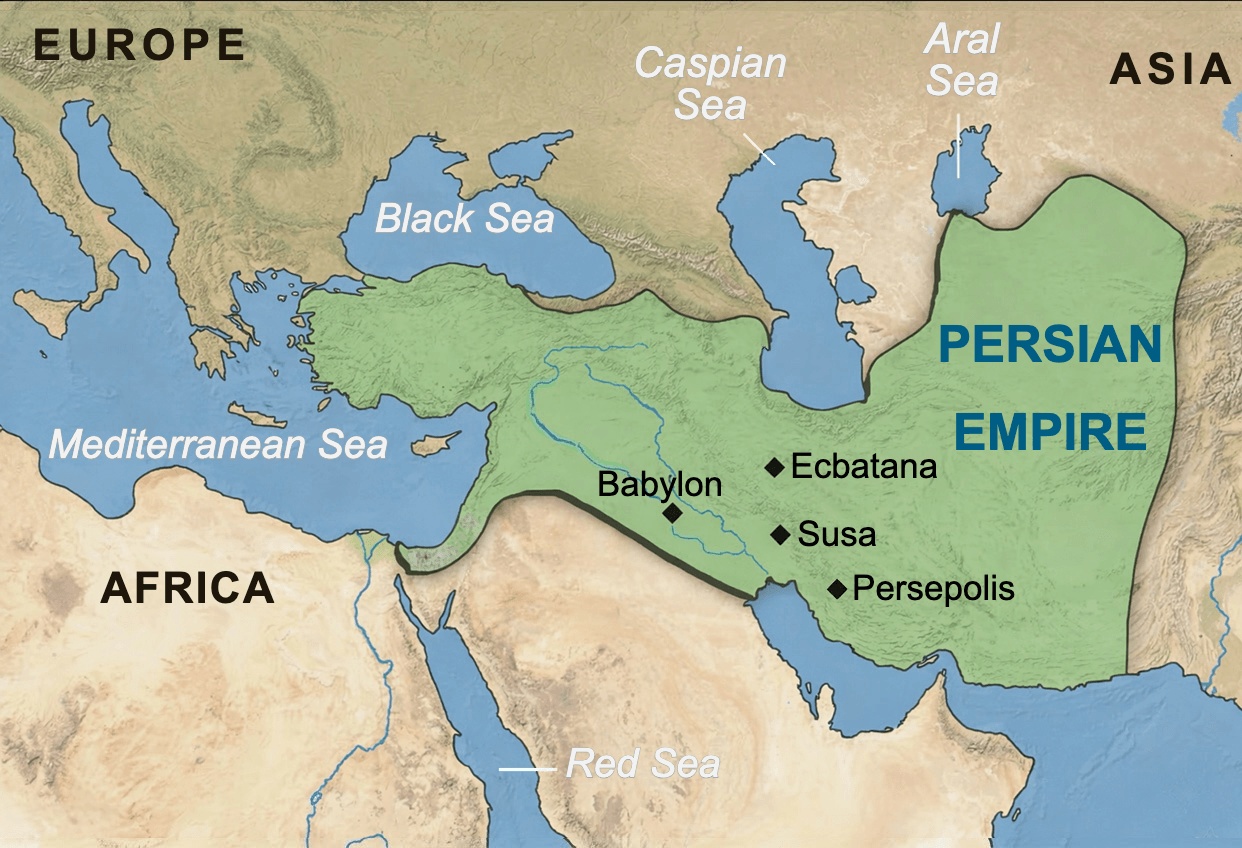
Persia at its greatest extent: the Achaemenid Empire
The Avesta is the sacred book of Zoroastrianism. Part of it, considered the holiest section, is recognized as Zoroaster's own work: the 17 chapters or “sacred hymns” grouped into 5 Gathas (Ahunavaiti, Ustavaiti, Spenta Mainyu, Vohuxsathra, Vahistoisti). A. H. Anquetil-Duperron was the first to translate the Avesta in 1771.
Although he did not present himself as a prophet, Zoroaster is seen by today's Parsis as comparable to Buddha, Christ, or Muhammad.
Doctrine
We will not go into full doctrinal detail here, as this page is not the place for it. But in broad terms:
Zoroastrianism is monotheistic: Ahura Mazda is the one supreme Creator God. Under him are two “twin spirits”: Angra Mainyu, better known as Ahriman (the evil spirit), and Spenta Mainyu (the beneficent spirit).
Ahura Mazda reigns over six divinities, the Amesha Spentas, the Beneficent Immortals: Vohu Mano (Good Thought), Asha Vahishta (Best Righteousness), Xsathra Varya (Desirable Dominion), Spenta Armaiti (Holy Devotion), Haurvatat (Wholeness), and Ameratat (Immortality). These divinities are given an epithet equivalent to “god”: Yazata.
Each person is free to choose between the path of good and the path of evil. The righteous are rewarded after death and enter the kingdom of Ahura Mazda. Otherwise, the fate is a descent into hell. There is no reincarnation. Fire also holds a central place and is treated with genuine veneration as the main symbol of God, a symbol of purity.
Zoroaster opposed older Mazdean practices, notably:
- blood sacrifice of animals, especially cattle (bulls or cows)
- use of Haoma (an intoxicating drink)
Zoroastrianism today
Today there are two Zoroastrian communities in the world.
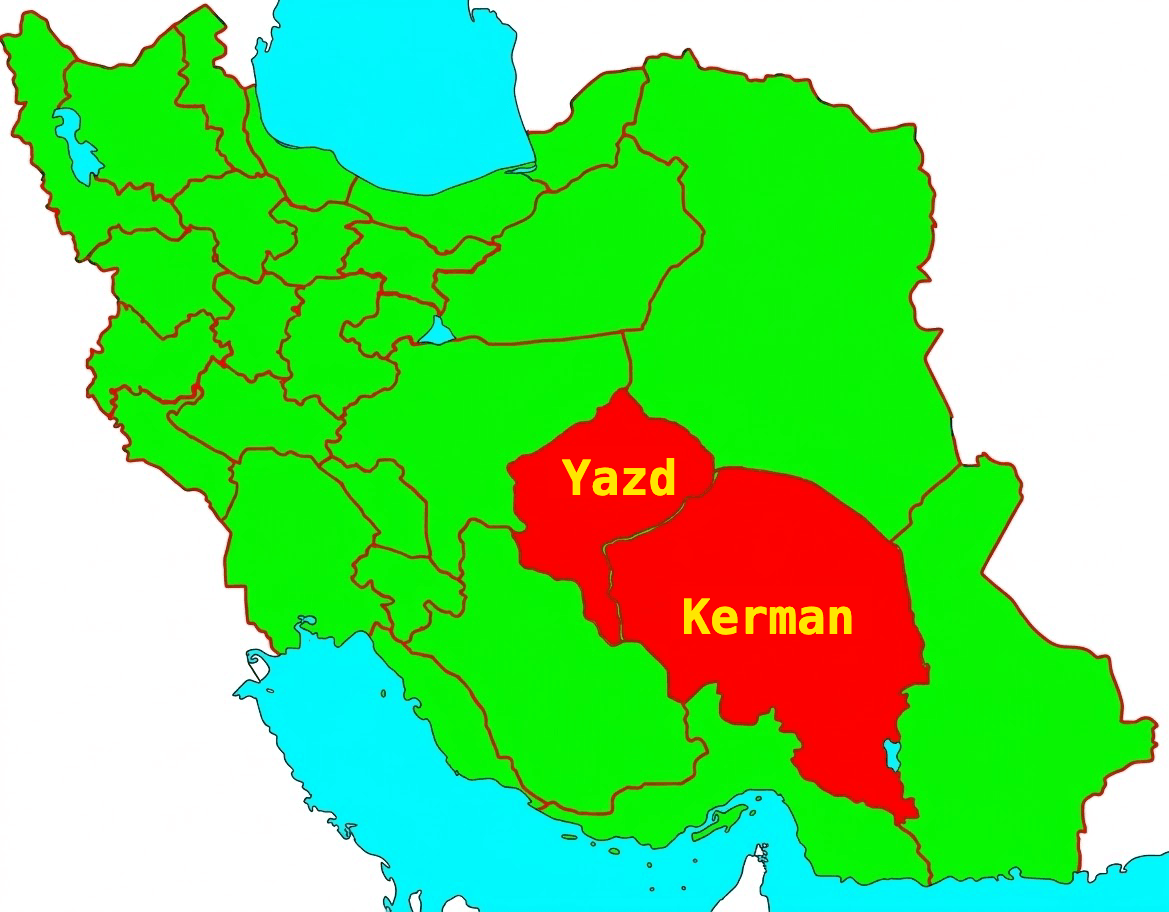
- The Guebres, in the provinces of Yazd and Kerman in Iran. The community is estimated at around 30,000 followers. In the 9th century, they wrote theological treatises such as the Denkard, one of whose passages we will examine. It is worth noting that Article 13 of the Iranian constitution guarantees their freedom of worship. When we study the Iranian calendar, we will see that at one time the Zoroastrian calendar was considered the official calendar of all Iran.
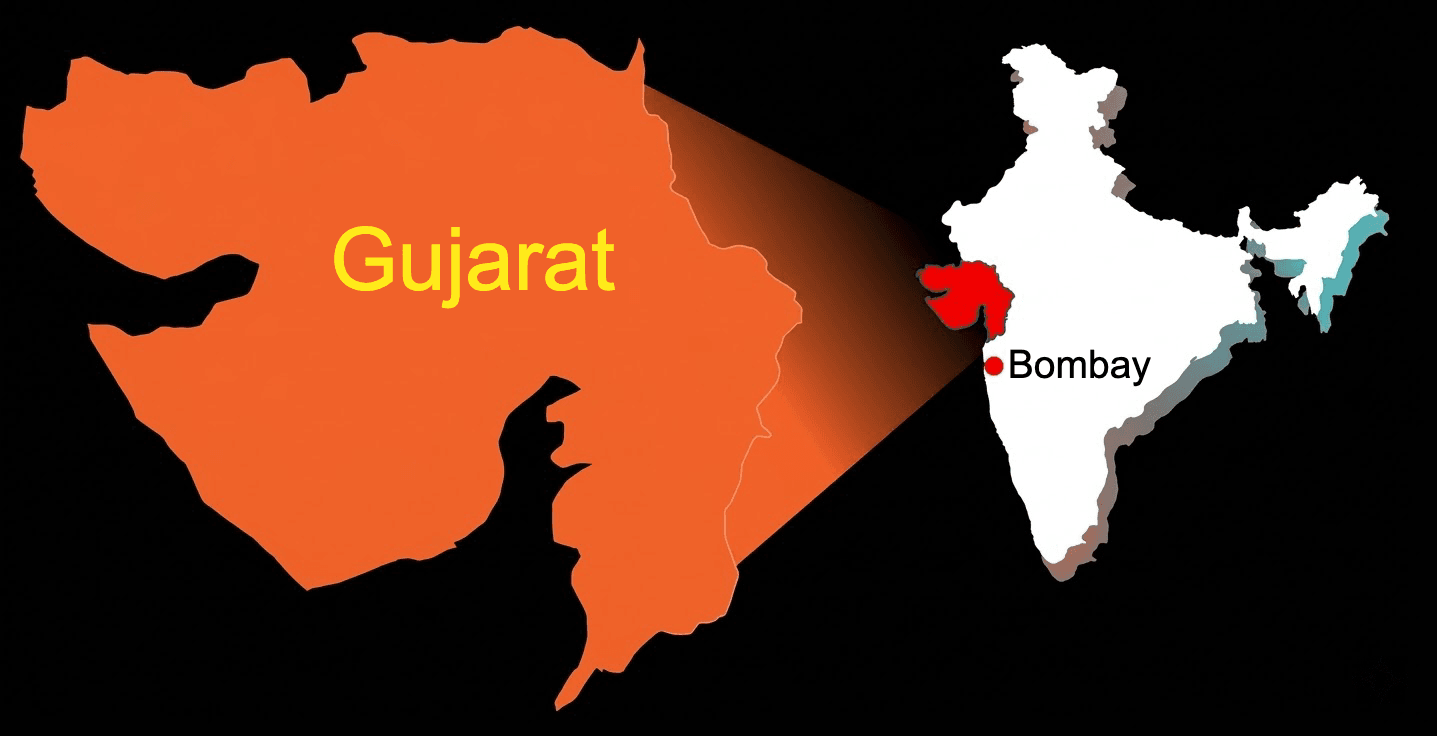
- The Parsis (Persians). Around 200,000 in number, they fled the Muslim conquest in the 8th century and took refuge in India (the Parsis come from today's Fars region), in Gujarat, around Bombay, which became their religious center. It is an economically influential and prosperous community.
Calendars
The earliest Zoroastrians used a Mesopotamian-type calendar: 12 months of 30 days (360 days), with one extra month added every six years to stay aligned with the tropical year. The New Year (Noruz) was celebrated at the vernal equinox (21 March in our calendar).
In the middle of the 5th century BCE, during the Achaemenid Empire, they “personalized” this calendar by giving the months (Mah) the names of the Yazatas (except for the first and twelfth month). The same applied to the days, which were also named. Each month was divided into 4 parts, with the first day dedicated to the Creator.
Months
| Rank | Name |
|---|---|
| 1 | Fravashis |
| 2 | Ardwahisht |
| 3 | Hordad |
| 4 | Tir |
| 5 | Amurdad |
| 6 | Shahrewar |
| 7 | Mihr |
| 8 | Aban |
| 9 | Adar |
| 10 | Dae |
| 11 | Vohuman |
| 12 | Spandarmad |
Days
| Rank | Name | Meaning |
|---|---|---|
| Celebration of AHURA MAZDA (the Creator) and the Amesha Spentas | ||
| 1 | Ohrmazd | The Lord of Wisdom (name of God according to Zarathustra) |
| 2 | Vohuman | Good spirit or purpose, guardian of animals |
| 3 | Ardwahisht | Highest Asha, guardian of fire |
| 4 | Shahrewar | "Desirable Dominion", guardian of metals |
| 5 | Spandarmad | Holy (or beneficent) devotion, guardian of earth |
| 6 | Hordad | Wholeness (perfection or health), guardian of waters |
| 7 | Amurdad | Immortality or life, guardian of plants |
| Celebration of LIGHT and NATURE | ||
| 8 | Dae-pe-Adar | The Creator's Day before Adar |
| 9 | Adar | Fire |
| 10 | Aban | Water |
| 11 | Khwarshed | The shining sun |
| 12 | Mah | The Moon |
| 13 | Tishtar | The star Sirius, the brightest star in the sky |
| 14 | Gosh | Sentient life, or the Soul of the Ox |
| Celebration of MORAL QUALITIES | ||
| 15 | Dae-pe-Mihr | The Creator's Day before Mithra |
| 16 | Mihr | Yazad of contract |
| 17 | Srosh | Yazad of "Awakening" (being attentive) |
| 18 | Rashnu | Yazad of truth |
| 19 | Farwardin | Guardian of Angels |
| 20 | Warharan | Victory, triumph over evil |
| 21 | Ram | Peace, joy |
| 22 | Gowad | Wind, atmosphere |
| Celebration of RELIGIOUS CONCEPTS | ||
| 23 | Dae-pe-Den | The Creator's Day before Den |
| 24 | Den | Religion, or also inner self / conscience |
| 25 | Ashi | Blessing or rewards |
| 26 | Ashtad | Righteousness, justice |
| 27 | Asman | Sky |
| 28 | Zam | Earth |
| 29 | Mahraspand | Holy word (Manthra) |
| 30 | Anagran | Endless light |
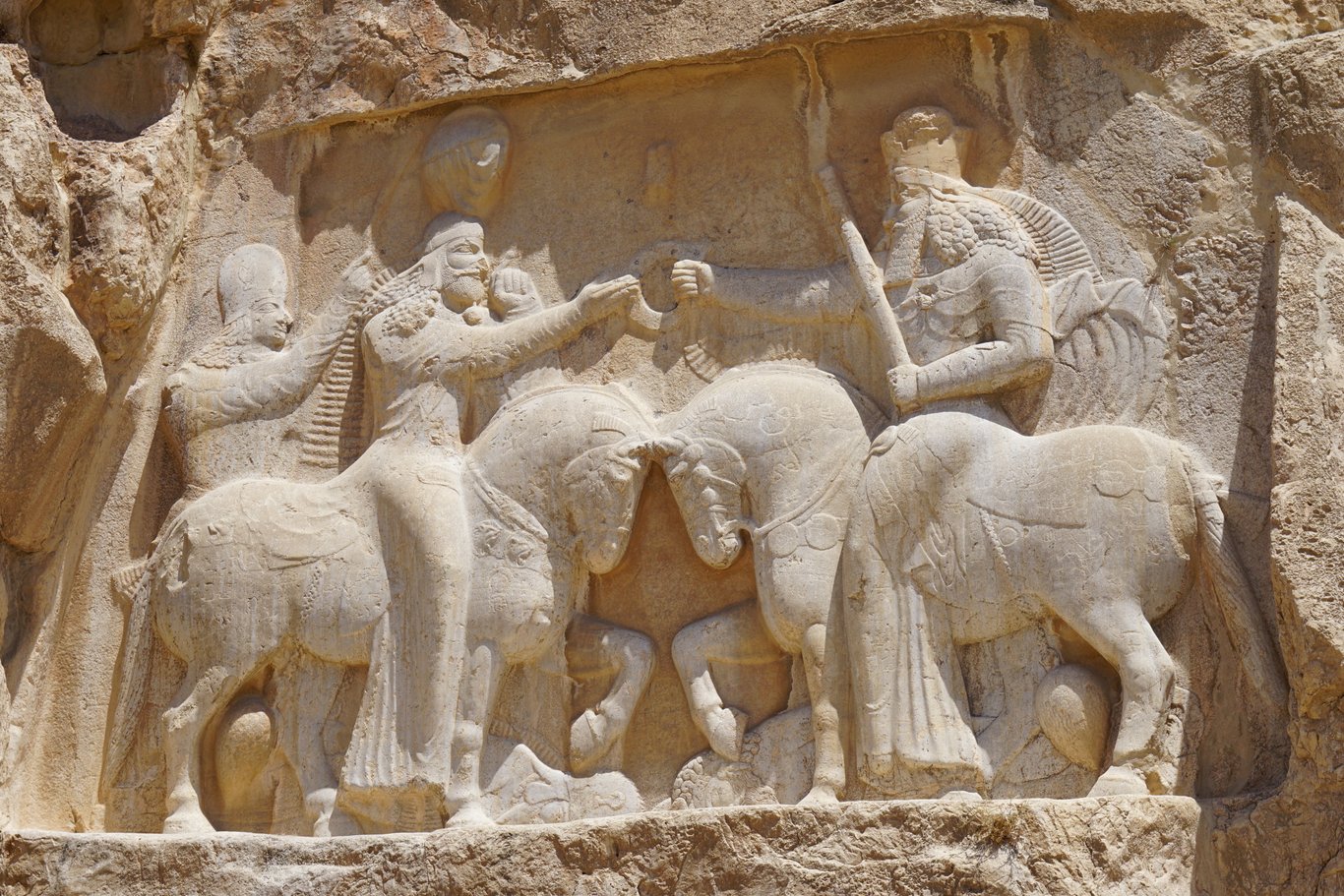
In 226 CE, Ardashir I took the title “King of Kings” of the Sassanid Empire and became the first Shah. A convinced Zoroastrian, he made it the state religion and set out to gather and copy the sacred texts.
He changed the old 360-day calendar into a 365-day one by adding five days at the end of the year after the last month. This created a calendar of the Egyptian type. The reform did not go smoothly, and they came close to having two calendars side by side, one “royal” and one “traditional”. It was only at the end of the second year, after the king declared that Noruz would be celebrated only after all 365 days, that the calendar was accepted, willingly or not.
The five additional days took the names of the five Gathas: Ahunavad, Ustavad, Spentomad, Vohuxsathra, Vahistoist.
To keep this calendar aligned with the tropical year, it was decided to insert a thirteenth month every 120 years.
Everything went well until 1006, and Noruz (New Year) matched the vernal equinox (mid-March). But in 1126, the Zoroastrians of India added a thirteenth month while those in Iran did not. Then, for reasons unknown, neither community added any further extra months, and Noruz drifted until it now falls in... August.
It was only in 1720 that a priest traveling from Kerman to India for theological discussions noticed the one-month gap between the “Iranian” and “Indian” calendars. He alerted the Parsis. The controversy lasted a long time among them, and it was only in 1746 that the split in views became explicit. One group chose to adopt the “Iranian” calendar, which they called Qadimi (or Kadmi). The large majority of Parsis stayed with their traditional calendar, which they called Shenshai (or Shahanshashi).
In short, the only difference between the Qadimi and Shenshai calendars is a one-month offset.
Both calendars share the same starting point: Gregorian year 631 CE, the year the last Zoroastrian king, Yazgard III, ascended the throne. That is why dates in the Zoroastrian calendar use the suffix Y: for example, 1372 Y = 2003 CE.
At the start of the 20th century, a well-known Zoroastrian from Bombay, Khurshedji Cama, grew concerned by the drift of New Year and decided to unify the Qadimi and Shenshai calendars. In 1906 he founded the “Zarthosti Fasli Sal Mandal”. The group decided to add one extra day every four years, in line with the Gregorian calendar. This would fix New Year's Day permanently on 21 March, and the Gahambars (seasons) would remain stable. This explicitly seasonal calendar was therefore called Fasli (seasonal).
When should this extra day, the sixth one called Roz-e Wahizag, be added? Every time there are 366 days between 21/03 of one Gregorian year and 21/03 of the next.
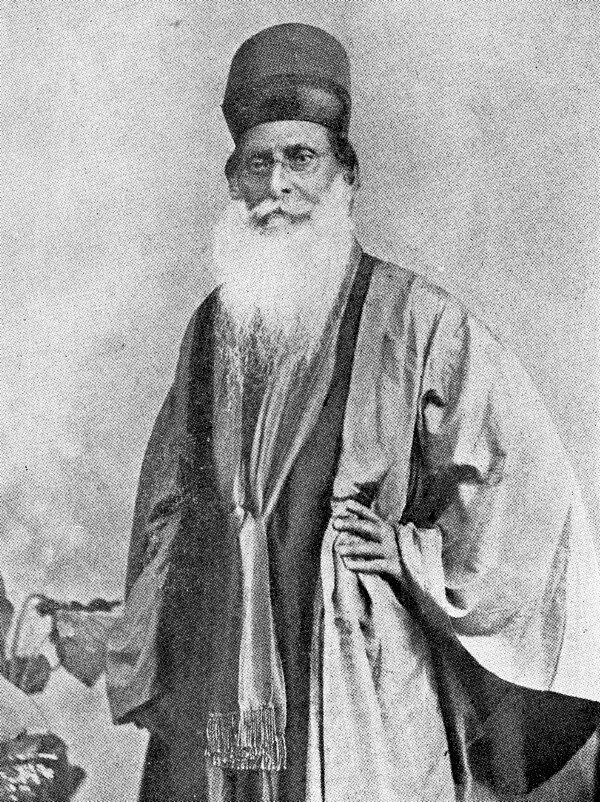
Khurshedji Cama set out to unify Qadimi and Shenshai. In reality, he added a third calendar to the two existing ones.
This drive toward calendar unification overlooked one major point: the sacred texts.
Indeed, Denkard, chapter 419 clearly states that "In addition to the total of 365 days, six additional hours must be taken into account... These six hours make one day in four years... one month in 120 years... These six hours must be counted separately from the last days of the year..."
My translation is very approximate, but the key point is this: adding a sixth day to the year is out of the question. Those hours must be accumulated until they make a full month, then added at year's end (which was done at the very beginning of the Qadimi and Shenshai calendars, back when they were still one).
And what had to happen did happen: some Zoroastrians refused to adopt the Fasli calendar, and in the end three calendars continued to coexist, as they still do today.
It should still be noted that the Fasli calendar was adopted by the great majority of Zoroastrians. The names of months and days are the same as in the other two calendars.
Why not simply impose a single calendar? Because that would run against Zarathustra's teaching that “each person has free choice according to an impartial and enlightened conscience” (Yasna 30.2).
Divisions of the day
Each day, in all three calendars, is divided into five gahs (“watches”) that mark prayer times:
| Name | Part of the day |
|---|---|
| Hawan | from sunrise to noon |
| Rapithwin or second Hawan | from noon to 3:00 PM |
| Uzerin | from 3:00 PM to sunset |
| Aiwisruthrem | from sunset to midnight |
| Ushahin | from midnight to sunrise |
Main festivals
Six festivals are linked to the seasons, the Gahambars:
| No. | Name | Season | Related to | festival days in the month | Month |
|---|---|---|---|---|---|
| 1. | Maidyoizaremaya | Mid-spring | Sky | 11 to 15 | Ardibehesht |
| 2. | Maidyoishema | Mid-summer | Waters | 11 to 15 | Tir |
| 3. | Paitishahya | Early autumn | Earth | 26 to 30 | Shehrevar |
| 4. | Ayathrima | Mid-autumn | Plants | 26 to 30 | Meher |
| 5. | Maidhyairya | Mid-winter | Cattle | 16 to 20 | Dae |
| 6. | Hamaspathmaedaya | Before spring | Humankind | 26 to 5 | Aspandarmad |
- Noruz (New Year)
- Jashan-e Mihragan: the oldest festival, pre-Zoroastrian. It is dedicated to the sun god and celebrated on the sixteenth day of the seventh month (1 October Gregorian in the Fasli calendar).
- Jashan-e Tiragan: celebrated on 1 July Gregorian. It is the festival of rain.
- Jashan-e Sadeh: celebrated on 11 December (Fasli), it consists of preparing a great fire and is therefore better known as Adur-Jashan (festival of fire). It is a deeply religious celebration.